The operating systemfor the 10-person business.
A lightweight CRM and Field Service Management platform built for solo operators and small home-service teams that need serious operational tools without enterprise software complexity.
From first leadto money in the bank.
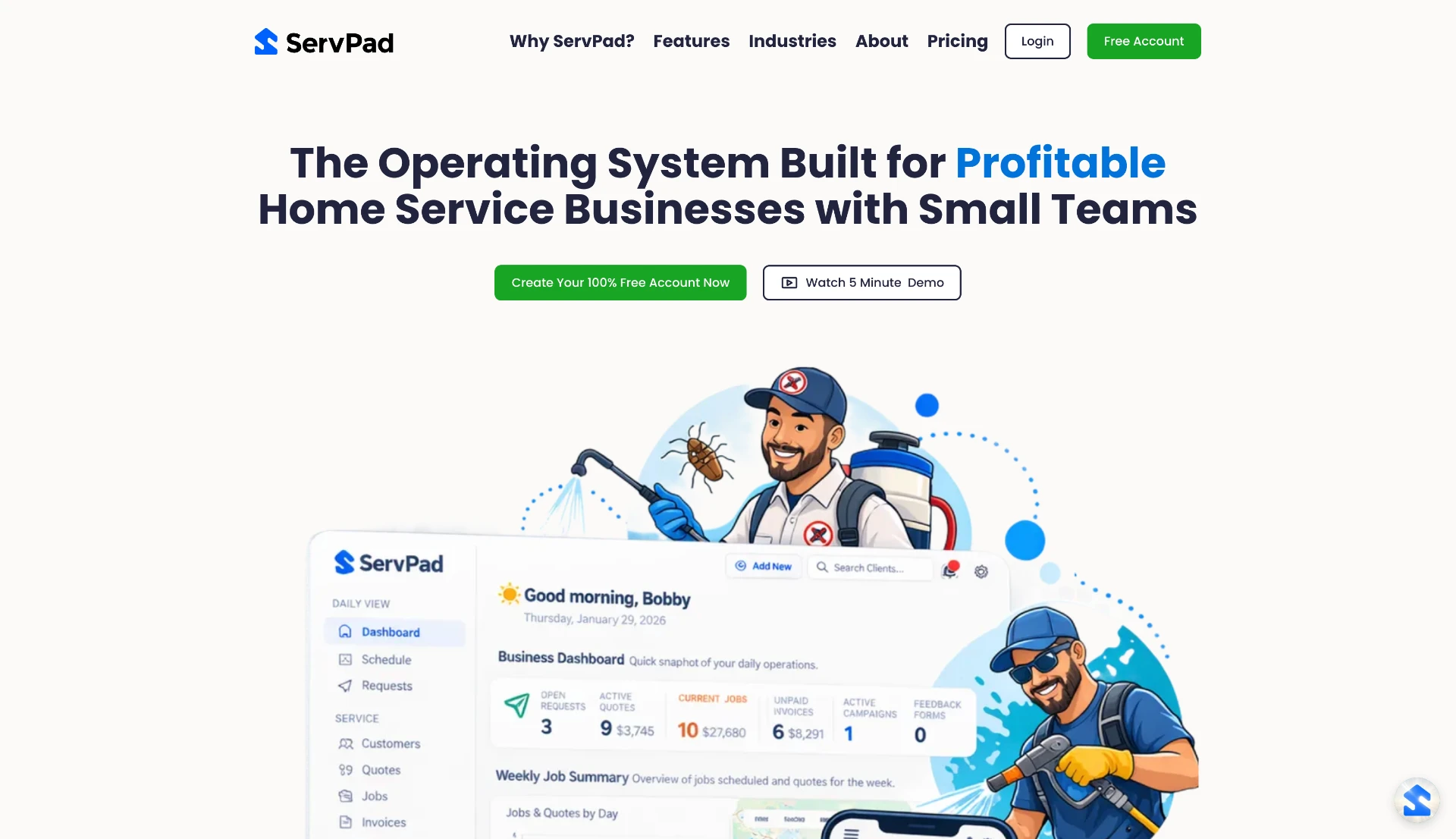
Small business doesn’t mean small operations.
Home-service businesses still need to capture leads, schedule work, communicate with customers, dispatch technicians, send estimates, collect payments and build their reputation.
But many field-service platforms are designed around much larger organisations. That creates an awkward choice for small operators: piece together several disconnected tools, or pay for a large system filled with functionality and pricing structures that don’t fit the way they work.
Home Services Platform was designed around a different question: what would Field Service Management look like if we started with the 1–10 person business?
Built for the people actually doing the work.
- Lawn care
- Cleaning
- Pool maintenance
- Pest control
- HVAC
- Plumbing
- Electrical
- Appliance repair
- Handyman services
- Pressure washing
- Painting
- Junk removal
- Garage doors
- Auto detailing
- Mobile pet grooming
- Locksmithing
- Furniture assembly
Don’t grow the admin.Grow the business.
Home Services Platform is designed around helping a small team handle more work without proportionally increasing administrative overhead.
- Lead
- Booking
- Estimate
- Job
- Dispatch
- Completion
- Invoice
- Payment
- Review
Don’t let the first interaction become admin work.
The goal is to get useful information into the system from the beginning rather than requiring someone to manually reconstruct the lead later.
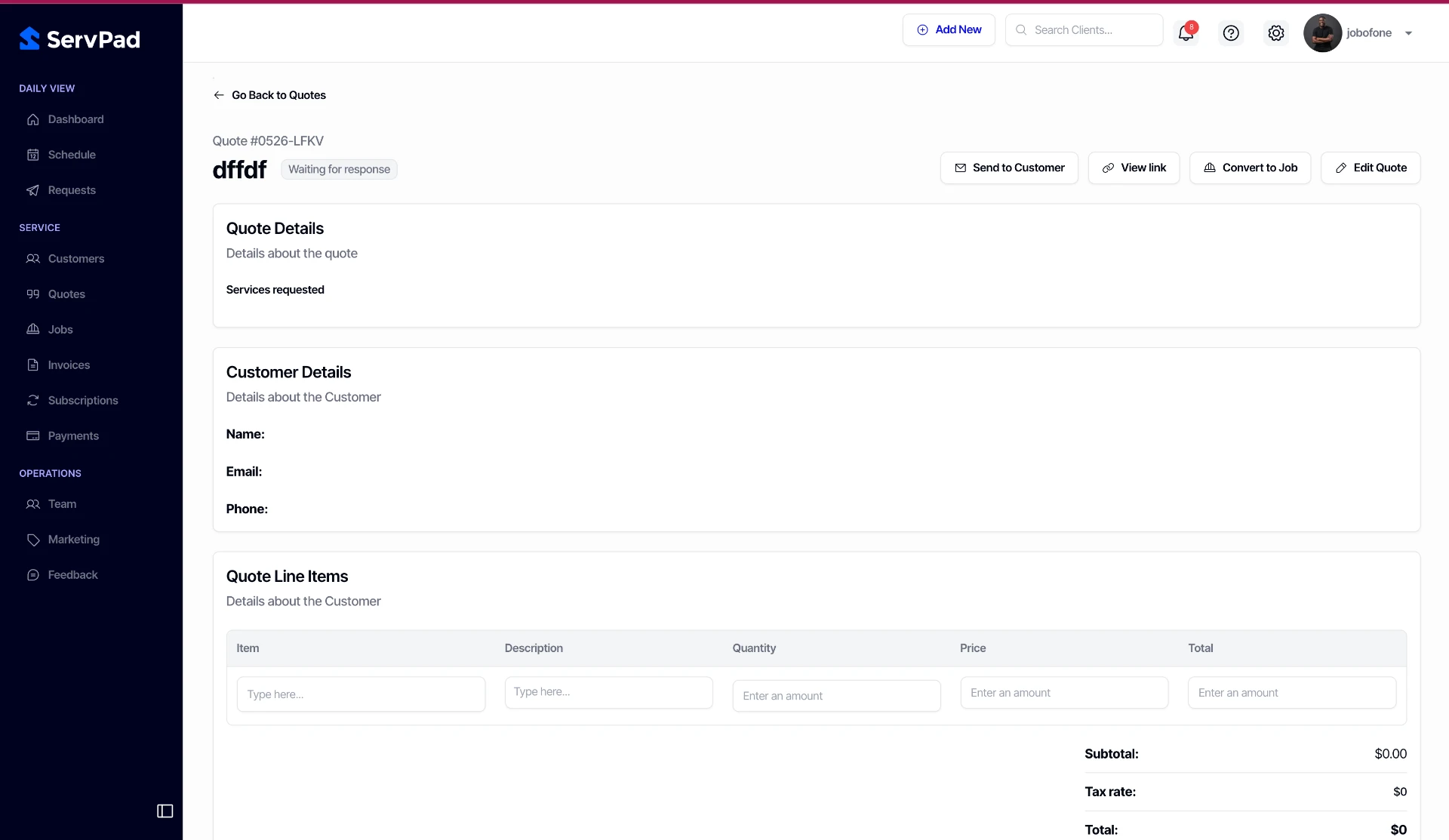
Turn interest into an approved job.
Businesses can create interactive estimates and pricing options that customers can review and approve digitally.
The workflow can support upsell choices before turning the accepted estimate into actual work.
The office and the road should share the same truth.
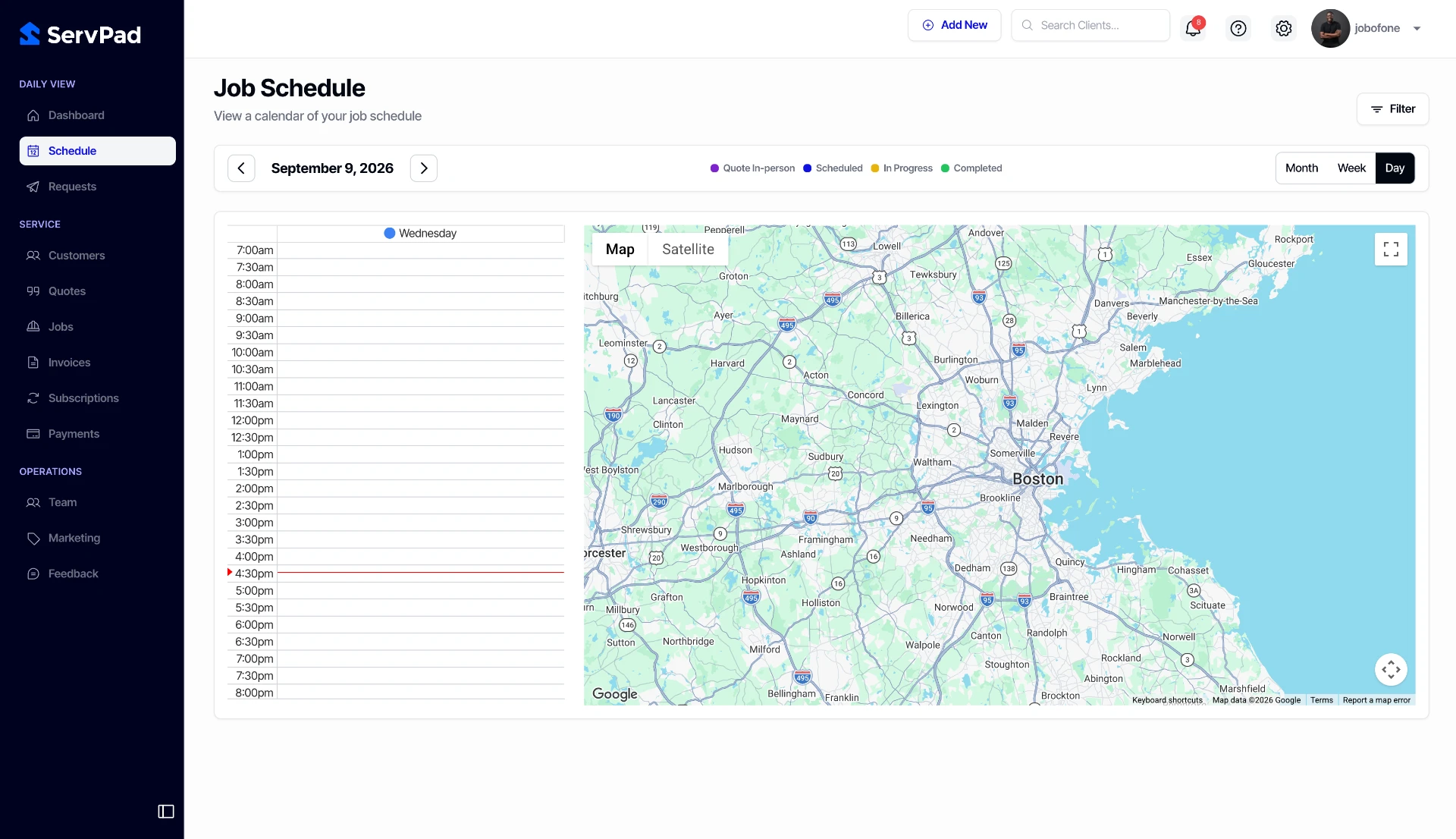
Jobs can be scheduled through an integrated calendar while technicians use the mobile experience to see where they need to be and what needs to happen.
Communication that doesn’t require remembering to communicate.
Automated SMS and email workflows can keep customers informed before appointments and reduce the amount of repetitive communication handled manually by the business.
Finish the job. Send the invoice. Get paid.
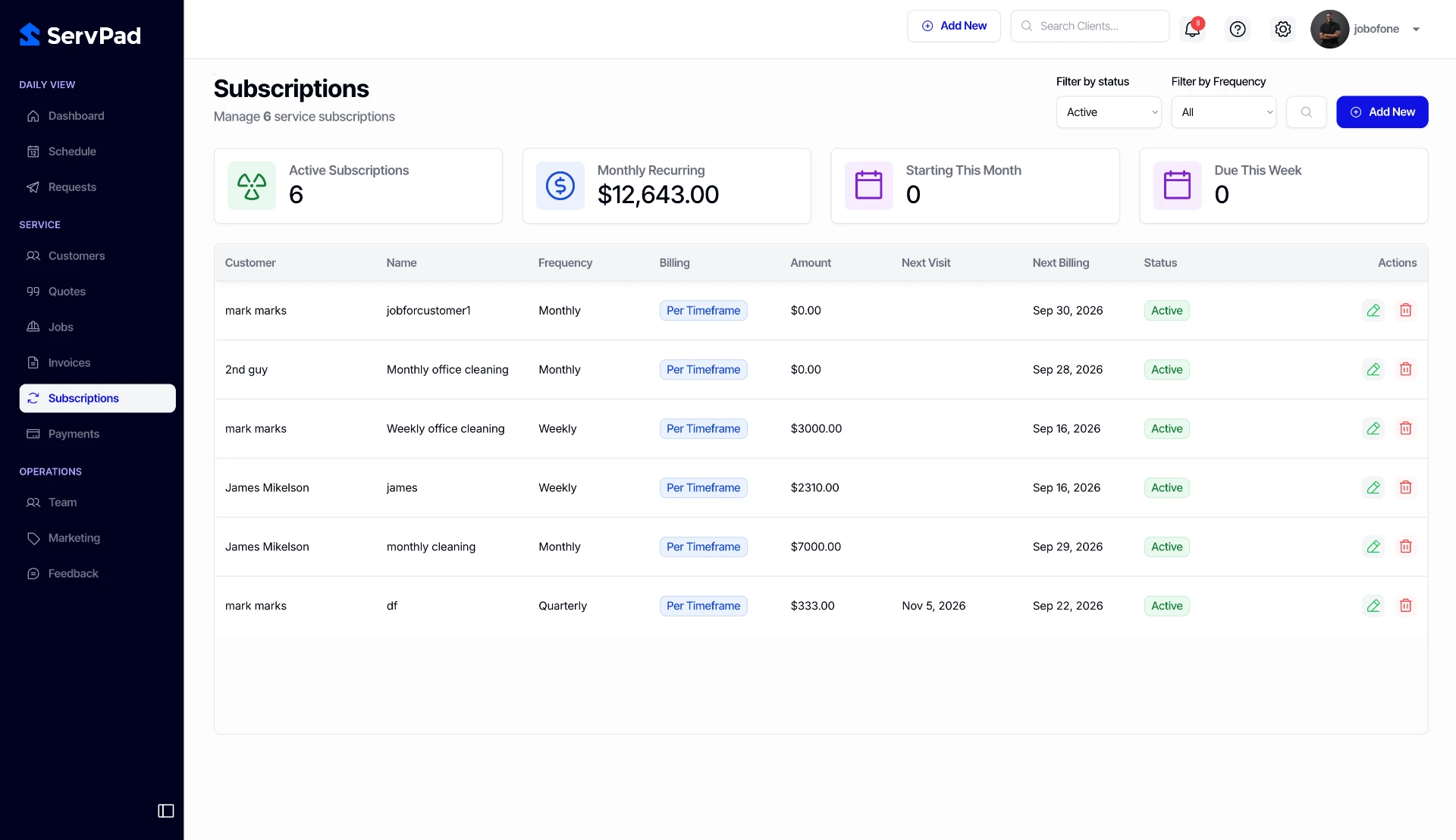
Completed work can move directly into invoicing. Businesses can generate professional invoices, send them to customers and automate payment follow-ups.
Home Services Platform Pro integrates Stripe so businesses can accept card payments directly through their invoices.
The job isn’t finished when the technician leaves.
Post-job workflows can trigger satisfaction surveys and review requests, helping businesses turn completed work into reputation and future demand.
Marketing attribution also helps operators understand which channels are generating valuable jobs.
One customer journey. One connected system.
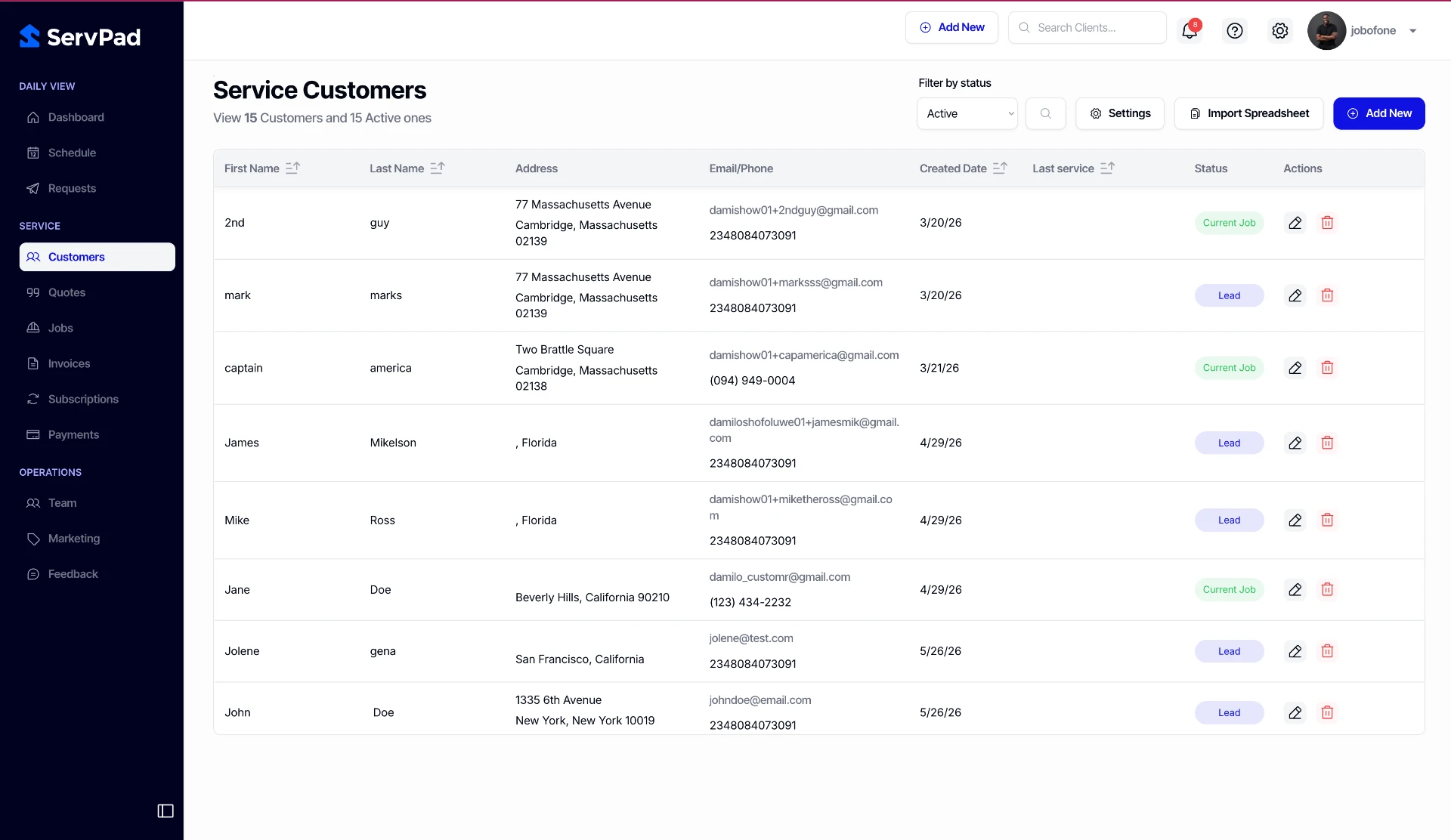
- Customer
- Lead
- Estimate
- Job
- Visit / Technician
- Invoice
- Payment
- Review
Useful before you pay for it.
Home Services Platform uses a freemium model designed to make the core operational system accessible without charging businesses for every person they add.
Core operational tools: customers, quotes, invoices, job tracking and team members. Light Home Services Platform branding remains on outgoing documents.
Adds capabilities including direct Stripe card payments and removal of Home Services Platform branding.
“Simpler” should mean focused, not incapable.
The product should remove repetitive work rather than introduce more software maintenance.
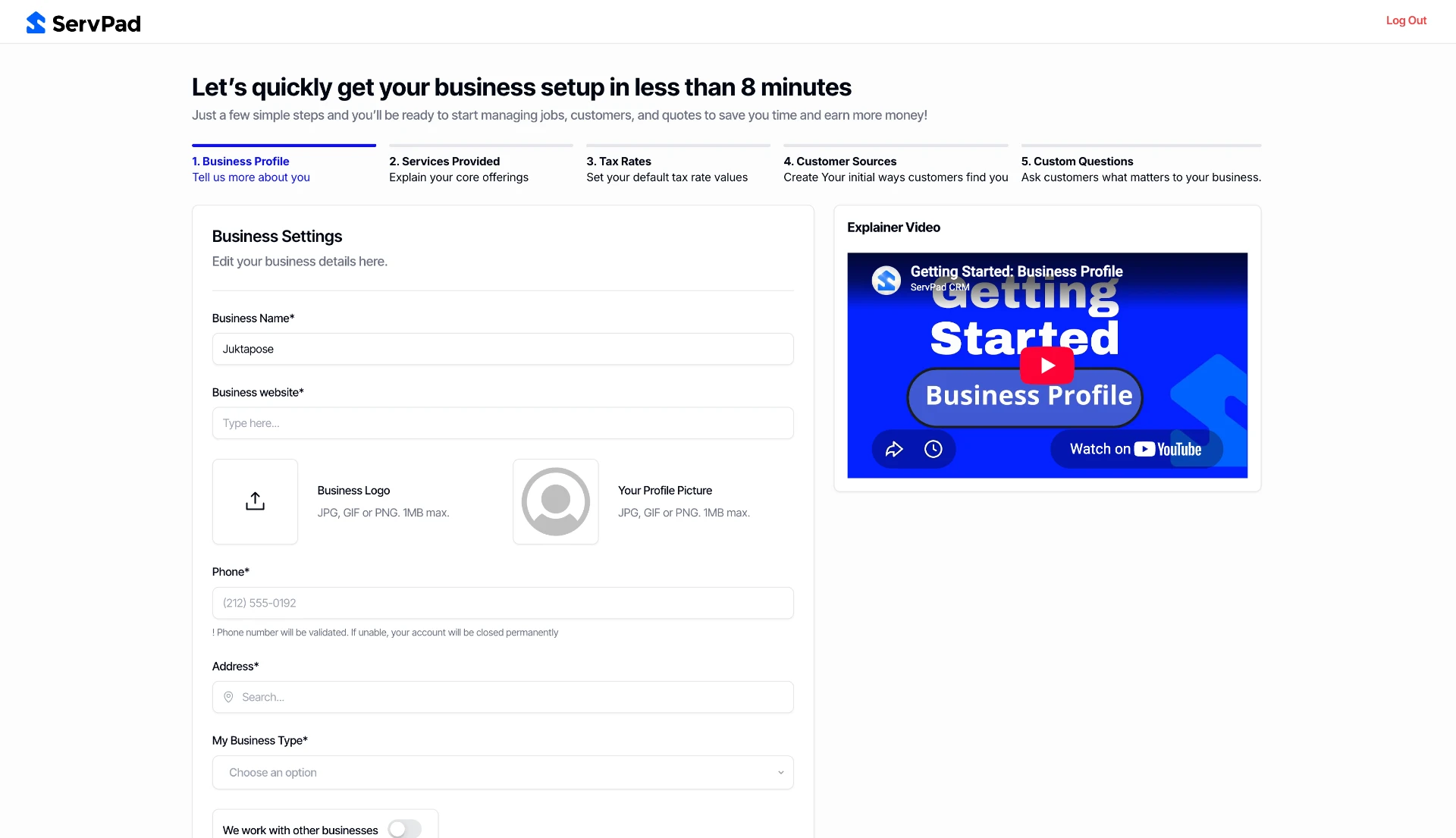
The data model and experience should follow the natural lifecycle of work rather than forcing the business to adapt to the software.
A product built around the whole job.
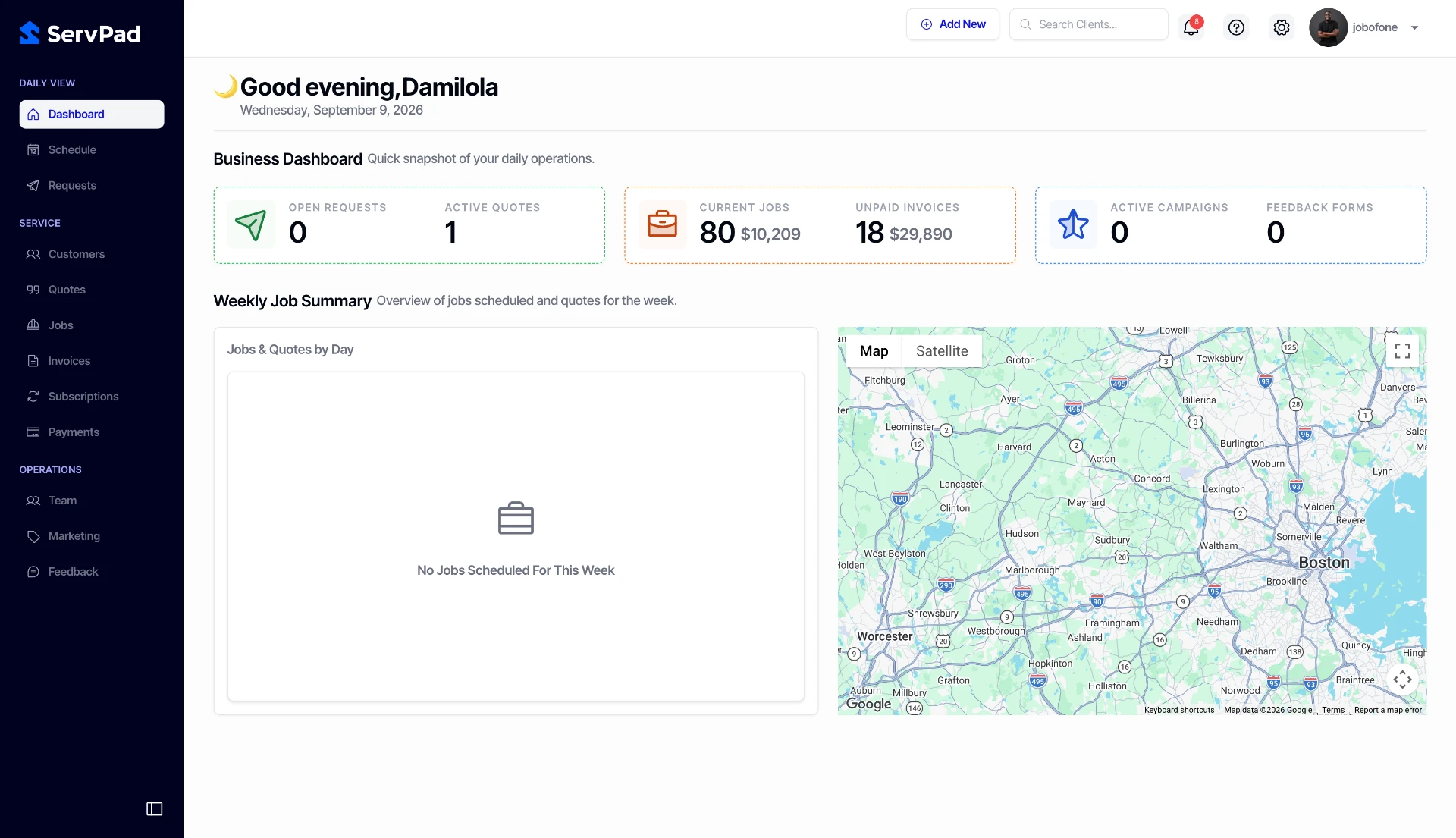
Home Services Platform brings lead capture, CRM, estimating, scheduling, field operations, customer communication, invoicing, payments, reviews and marketing visibility into one connected product designed around small service teams.
For my portfolio, Home Services Platform represents something particularly important: the ability to move from identifying a market/product problem to defining the experience, designing the system and building the working product.
From ideato interfaceto systemto product.